
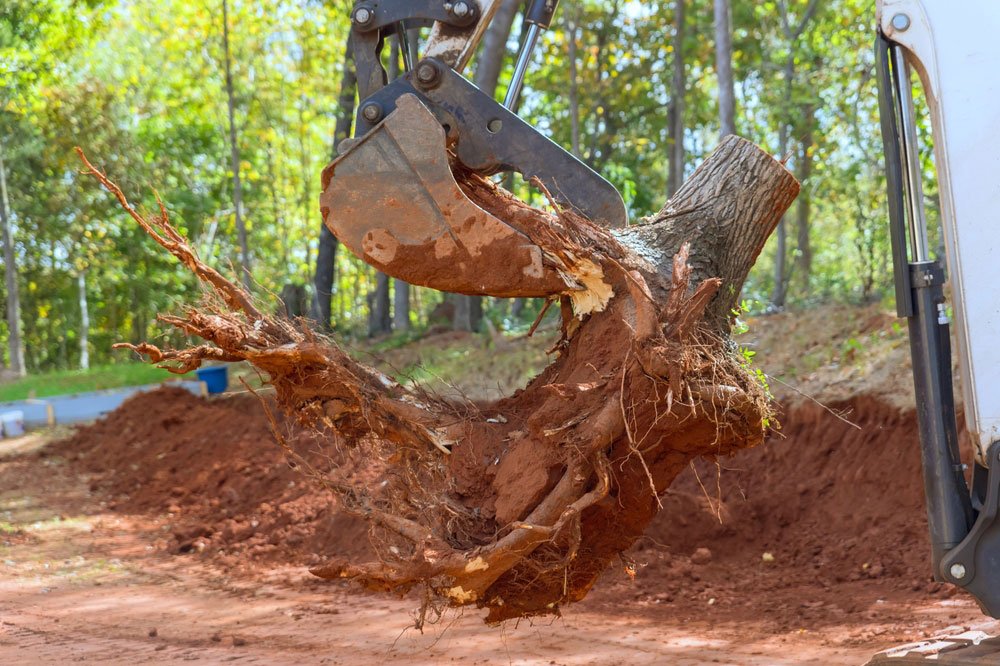
While most people view stump grinding as a cosmetic finishing touch, certain situations transform a lingering stump into a pressing safety hazard. When a stump threatens the structural integrity of your property or poses an immediate risk to passersby, it shifts from a weekend project to an emergency service.
Recognizing the difference between an eyesore and a liability is essential for responsible homeownership. Addressing these high-priority cases immediately can prevent thousands of dollars in secondary damage to your home’s infrastructure and landscaping.
Obstruction of Critical Underground Utilities
Stumps located directly over or adjacent to main water lines, sewer pipes, or underground electrical conduits can cause catastrophic failures. As the root system of a recently cut tree continues to settle or decay, it can shift the surrounding soil and crush or puncture vital utility connections.
- Request emergency removal if you notice unexplained water pooling near a stump or a sudden drop in household water pressure.
- Act quickly if a stump is preventing utility workers from accessing lines for necessary repairs or upgrades.
- Monitor for sewage backups that coincide with the location of a large, invasive root system.
When a stump blocks a utility repair, the delay can leave your household without power or water for days. Immediate grinding is the only way to clear the path for technicians to restore your essential services safely.
Proximity to Foundation and Structural Damage
A stump located within a few feet of your home’s foundation can act as a conduit for moisture and a catalyst for soil subsidence. As the wood rots, it creates large underground voids that can cause concrete slabs to crack or porches to pull away from the main structure.
- Prioritize removal if you see new cracks in your foundation or exterior masonry near a large stump.
- Address stumps that are physically pushing against retaining walls, fences, or pool decks.
- Eliminate stumps that sit at a high elevation and direct rainwater runoff toward your basement or crawlspace.
Structural issues only worsen over time as the decay process accelerates. Removing the stump immediately halts the movement of the root flare and allows you to stabilize the soil before the damage becomes permanent.
Immediate Safety and Trip Hazards in Public Walkways
When a stump is located in a high-traffic area, such as a front walkway or a curbside verge, it becomes a significant legal liability. If the stump is obscured by overgrowth or lacks high-visibility markings, it poses a constant threat of injury to pedestrians and neighbors.
- Seek emergency service if the stump is located on a darkened path where it cannot be seen at night.
- Remove stumps that have sharp, jagged edges or protruding “knees” that could cause severe falls.
- Clear stumps from areas where children play or where elderly residents frequently walk.
In the eyes of an insurance provider, a known hazard that is left unaddressed is a sign of negligence. Professional removal eliminates the threat of a lawsuit and ensures your property remains a safe environment for everyone.
Infestation of Termites or Vector Pests
A decaying stump is essentially a massive pile of food for wood-destroying organisms like subterranean termites and carpenter ants. If a stump becomes an active colony right next to your home, it is only a matter of time before those pests migrate into your walls and floor joists.
- Call for emergency removal if you see “mud tubes” or swarms of winged insects emerging from the stump.
- Take action if the stump is attracting dangerous wildlife, such as snakes or rodents, that are nesting in the rotting wood.
- Prevent the spread of wood-rotting fungi that can infect other healthy trees in your landscape.
Treating the house for pests is a temporary fix if the primary food source remains in the yard. Removing the stump destroys the “home base” for these infestations and creates a protective barrier for your residence.
Interference with Emergency Vehicle Access
If a storm has left a stump and its associated root ball blocking a driveway or a private access road, it is a life-safety emergency. First responders, including fire trucks and ambulances, must have a clear path to reach your front door without obstruction.
- Clear stumps that prevent you from moving your own vehicle during an evacuation or medical crisis.
- Remove large root balls that have heaved up and blocked gates or essential entry points.
- Address any stump that prevents the delivery of emergency fuel or repair supplies after a natural disaster.
In a crisis, every second counts, and a blocked driveway is a barrier to help. Emergency stump services restore the accessibility of your property when time is of the essence.
Eliminating Property Risks Before They Escalate
Deciding to treat a stump as an emergency is an investment in the long-term safety and value of your home. By removing these hazards before they cause utility failures, structural collapses, or injury, you are taking a proactive stance against property loss.
A professional team equipped with high-powered grinders can resolve these issues in a single visit, providing you with immediate relief and a clear, safe landscape.